
Guide
07
Nov 2026
Seasons
Updated 23 Nov 2026
By Africa Camping Rentals
Camping in Zimbabwe's rainy season: what changes
What changes for tent campers in Zimbabwe's rainy season: muddy park roads, Mana Pools access in 2026, why a 4x4 matters, keeping camp dry and malaria.
In the rains, roughly late November to April, camping in Zimbabwe is slower and muddier. Some park roads get hard to drive or close, the main road into Mana Pools lost a bridge in March 2026, and a 4x4 and a dry camp matter more than they do in the dry months. Check road access with ZimParks before you set off.
Last checked: 23 November 2026. Rules, fees and road conditions change, so check before you travel.
When the rains come
Wikivoyage's Hwange page puts the rainy season at late November to April. The start and end move from year to year, so watch the forecast for your dates rather than the calendar.
Lodge websites write about the green season for people sleeping under a roof. In a tent, the questions are different: can you reach the campsite, will the tent stay dry, and what happens if the track out floods overnight?
Which parks and roads are affected
Tar roads mostly stay open. Gravel, sand and clay tracks are what suffer, and that's what you drive on inside the parks.
In Hwange, Victoria Falls Guide says the park's camps and most of its roads can be driven in a high-clearance two-wheel-drive car, except at the height of the rains. It also says the dirt road from Pandamatenga to Robins gets muddy, and the drive can take hours. Wikivoyage says some Hwange roads may be muddy or impassable in the rainy season. Take this as general guidance and ask at the gate about tracks on the day.
For Mana Pools, ZimParks' booking FAQs say a high-clearance vehicle is needed because of the condition of the access roads, and that all visitors must report at Marongora for an entry permit into the Zambezi Valley. Those entering via Chirundu report to the Chirundu office.
Our Hwange guide covers campsites and gate times.
Mana Pools access in 2026
On 26 March 2026, Wild Zambezi published an update on road access. Heavy rains had washed away the eastern section of the bridge over the Ruckomechi River on the main road into the park, and the Runese River had washed away sections of road between the entrance gate and the bridge.
ZimParks advised self-drive visitors without bookings to avoid travelling to Mana Pools until further notice, and asked people with March or April 2026 bookings to contact its booking office about rescheduling or credit notes (reported by New Zimbabwe via AllAfrica on 29 March 2026). Wild Zambezi said vehicle access was unlikely before the end of April or early May 2026, as repairs couldn't start until the rivers stopped flowing.
We don't know whether normal vehicle access has been restored as of 23 November 2026. We couldn't find an official notice either way. Before you plan a Mana Pools trip, especially in the rains, ask ZimParks about the road from the entrance gate to the camps.
Vehicle: why a 4x4 matters now
In the dry months you can reach some park camps in a high-clearance two-wheel-drive car. In the rains, a 4x4 with low range gives you a way out of mud and wet sand that a two-wheel-drive car doesn't. ZimParks' booking FAQs already list recovery gear as something self-drivers should bring.
Take a shovel, a tow strap and a tyre gauge, and know how to use them.
If you can't see the bottom of a flooded crossing, wait or turn back.
Travel with a second vehicle if you can, and tell someone your route.
Allow far more time than the map suggests, so you still reach camp in daylight.
For a 4x4, see Victoria Falls Car Rentals or Mukanya Car Rental. Tell them your route and that you're travelling in the rains.
Keeping a camp dry
Pitch on ground that's a little higher than its surroundings. Never pitch in a dip or a dry riverbed, which can fill fast.
Peg the flysheet tight so it doesn't touch the inner tent.
Tuck the groundsheet under the tent. If it sticks out, it catches rain and runs it underneath you.
Put up a gazebo or awning to cook and sit under.
Pack sleeping bags and a set of clothes in dry bags, and keep them in the vehicle by day.
In a strong storm, wait in the vehicle rather than the tent.
Rooftop or ground tent? A rooftop tent keeps you off wet ground; a ground tent can stand up to a long stay in one place. Our comparison goes through both, and our packing list covers the rest.
Heat, insects and malaria
The rainy months are hot and humid, and there are more mosquitoes. The US Centers for Disease Control and Prevention (CDC) lists malaria as present in all areas of Zimbabwe and recommends that travellers take prescription medicine to prevent it.
See a doctor or travel clinic at least a month before you travel. They can advise you on medicine and any vaccines. The CDC also suggests covering up, using an insect repellent and sleeping under a net if you're exposed to the outdoors. A tent with intact mesh and a zip that closes properly helps; check yours before you leave town.
Carry more drinking water than you think you need. If the vehicle gets stuck, you may wait a long time in the heat.
What to hire
For a rainy-season trip, these are the things we'd suggest asking us about:
A rooftop tent or a ground tent with a good flysheet
Sleeping gear that you can keep dry in the vehicle
A camp kitchen and a fridge or cool box, as shops are far apart once you leave town
Chairs, a table and lights
Send your dates and where you're camping on WhatsApp on +263 78 087 5886, or use our enquiry form, and we'll quote what's available. Tell us the season and route, and we'll suggest what suits it. For route ideas, Untold Africa plans trips around Zimbabwe, and our self-drive safari guide walks through the planning.
Sources
Wild Zambezi: Update on road access into Mana Pools, 26 March 2026
New Zimbabwe via AllAfrica: ZimParks trip advisory on Mana Pools, 29 March 2026: allafrica.com/stories/202603300136.html
Victoria Falls Guide: How to get to Hwange: victoriafalls-guide.net/how-to-get-to-hwange.html
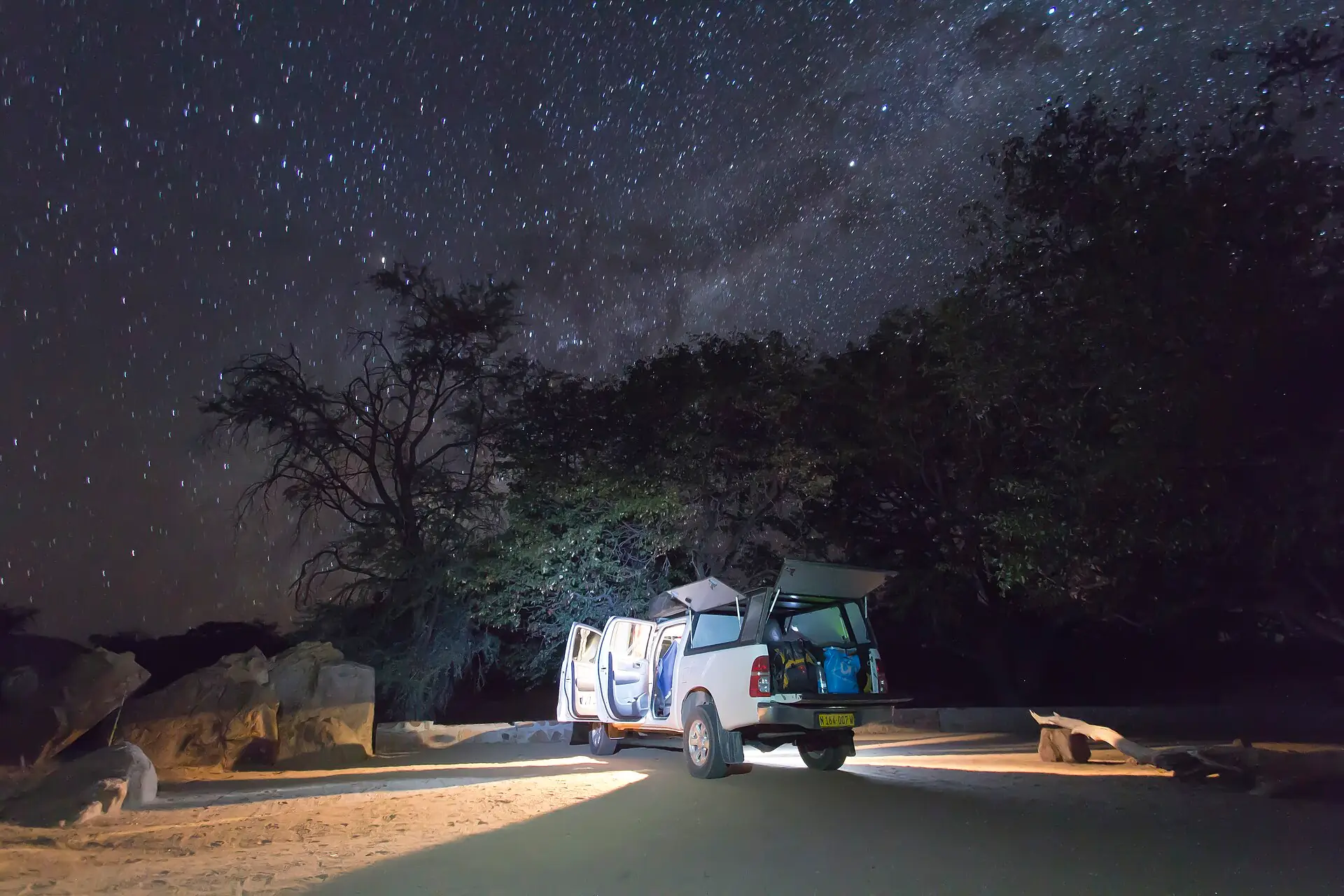
Photo: Luke Price from Rotterdam, Netherlands, CC BY 2.0, via Wikimedia Commons
Need gear for this trip?
Published
23 November 2026
Updated
23 November 2026
Topic
Seasons
Tell us your dates and route, and we'll quote the equipment on WhatsApp or by email.
Guide
03
Nov 2026
Parks
Free to read
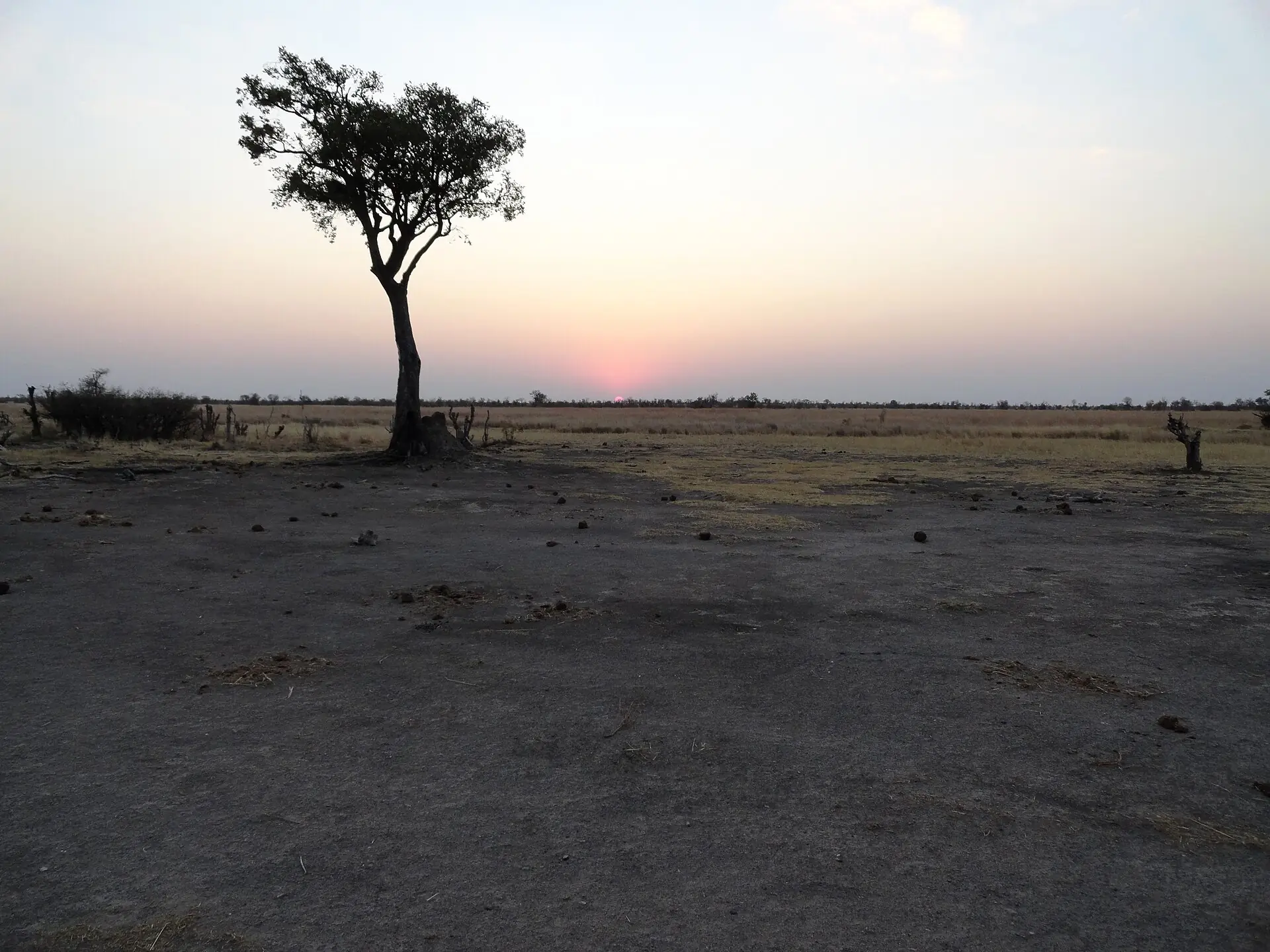
Camping in Hwange National Park: what to plan
Planning to camp in Hwange National Park? Booking campsites, park gate times, what facilities to expect and staying safe in an unfenced camp.
Read the guide
Guide
04
Nov 2026
Planning
Free to read
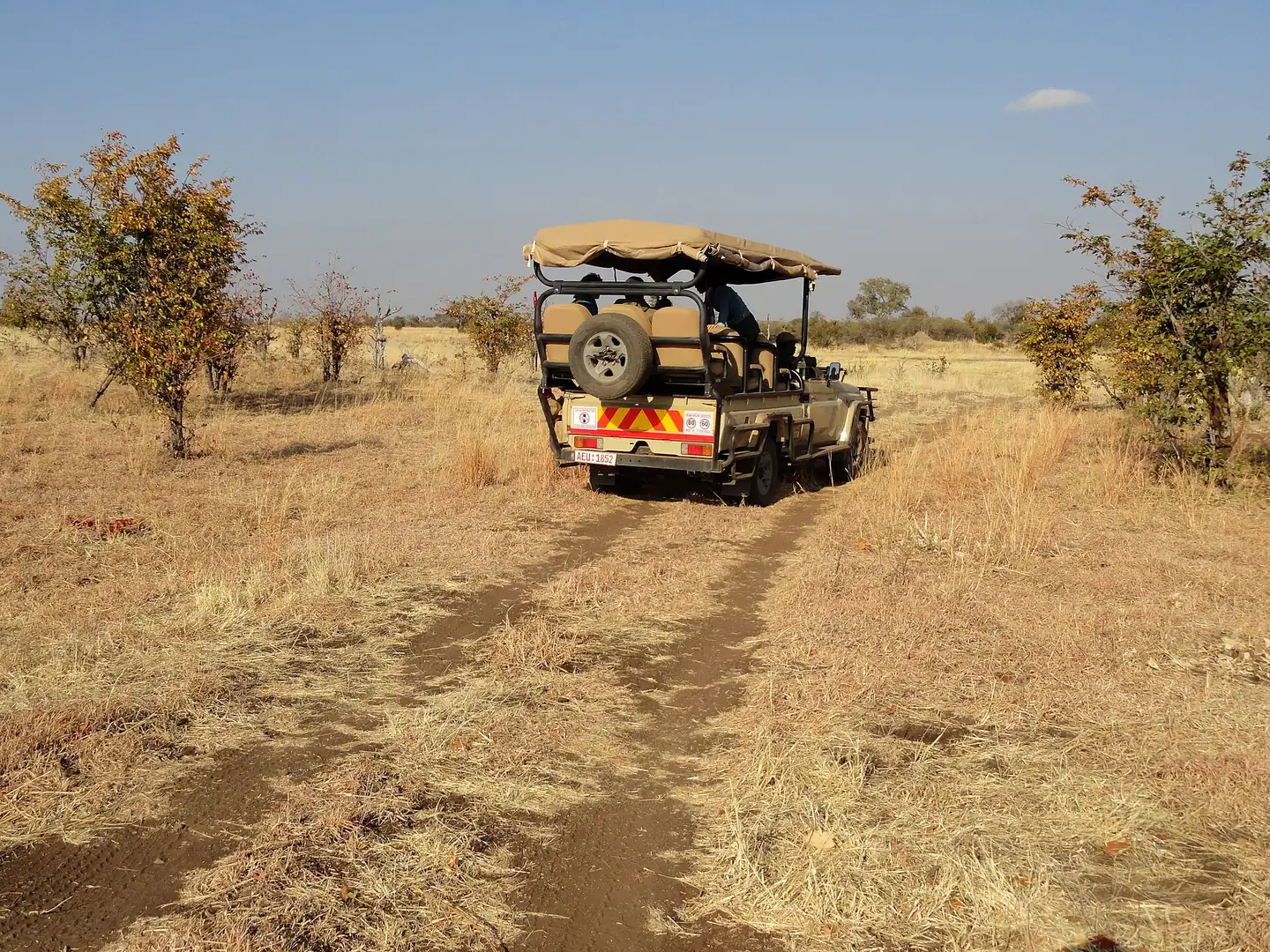
Planning a self-drive camping safari from Victoria Falls
How to plan a self-drive camping safari from Victoria Falls: choosing a vehicle and kit, booking campsites, distances, fuel, borders and safety.
Read the guide
Guide
01
Nov 2026

Tents
Free to read
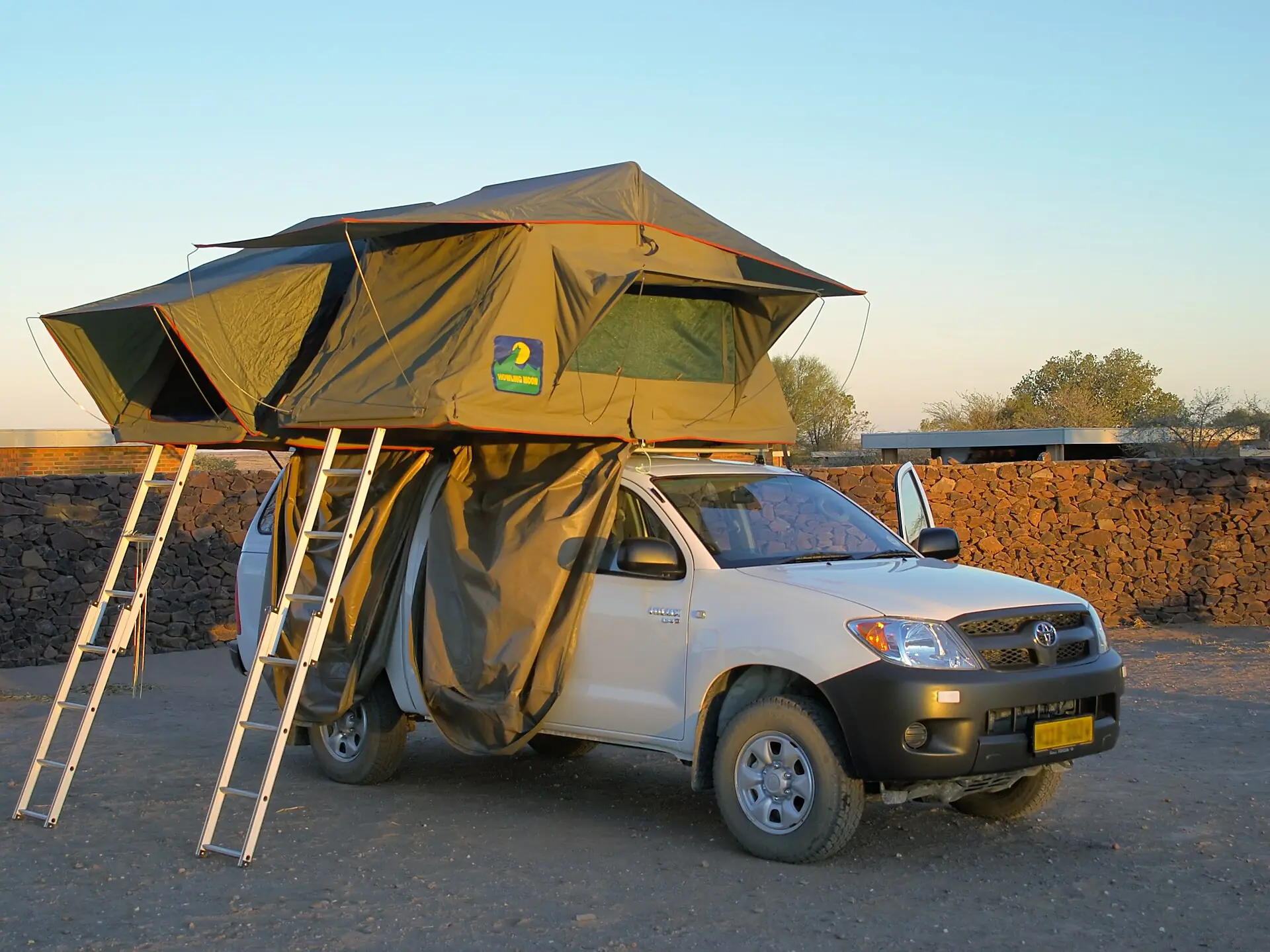
Rooftop tent or ground tent: which suits your trip?
Rooftop tent or ground tent for your Zimbabwe camping trip? How they compare on set-up, comfort, space and moving camp, and which to choose.
Read the guide